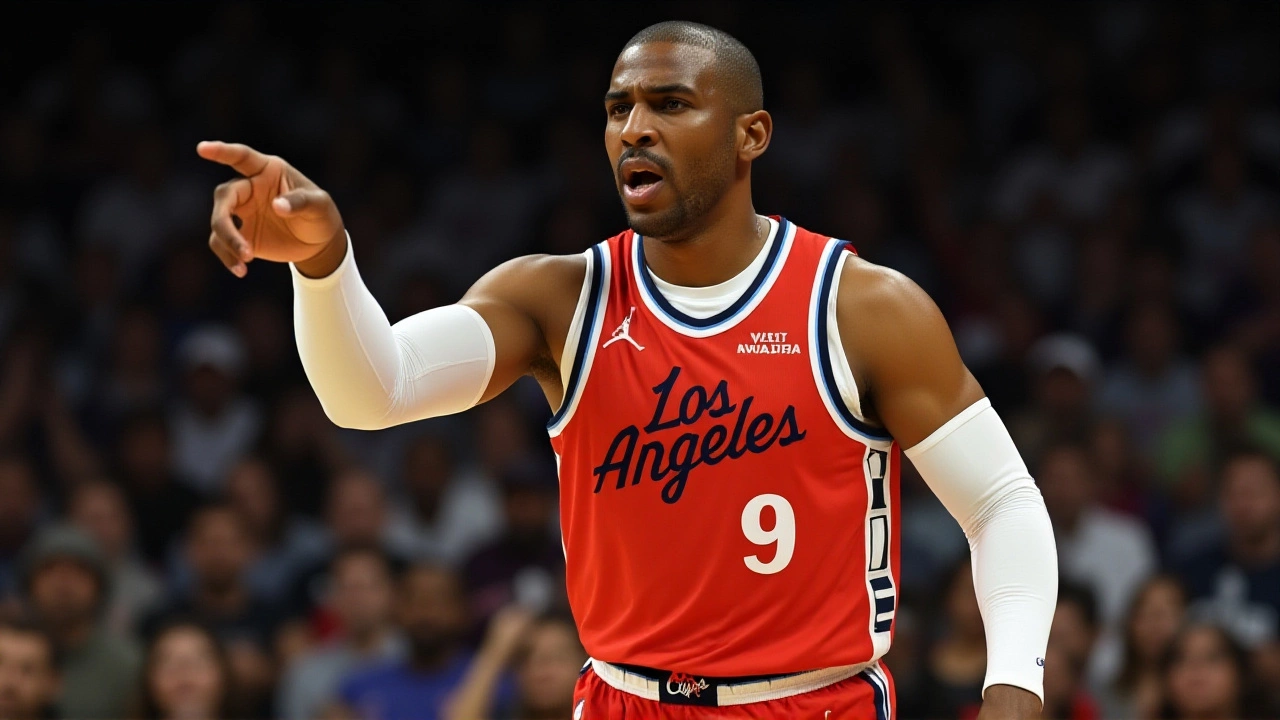
At 40, with 21 seasons etched into his bones and a legacy defined by brilliance and heartbreak, Chris Paul has quietly closed the door on his NBA career—announcing his retirement at the end of the 2025-26 season during a game in his hometown of Charlotte, North Carolina. The moment wasn’t loud. No press conference. No dramatic speech. Just a 30-second video on his social media, captioned: "Back in NC!!! What a ride…Still so much left…GRATEFUL for this last one!!" The timing? Perfect. The Los Angeles Clippers were playing the Charlotte Hornets at the Spectrum Center on November 22, 2025—his first game back in the city where his professional journey began, and where his heart still lives.
Homecoming and the Weight of a Legacy
Paul, born and raised in Winston-Salem, North Carolina, played high school ball at West Forsyth High School and college at Wake Forest University. He’s never forgotten where he came from. That’s why this announcement, dropped during a game in Charlotte, felt like a homecoming—and a farewell. The Charlotte Hornets, his original franchise (though technically the relocated New Orleans Hornets), symbolize the start of it all. He was the fourth overall pick in 2005. Now, he’s leaving as one of the most decorated players never to lift the Larry O’Brien Trophy.His stats this season? 13 minutes, 2 points per game. Only 10 appearances in 15 games. The Clippers, at 4-11, are struggling. Paul isn’t playing to chase rings anymore. He’s playing because he loves it. "I love nothing more than the opportunity to play and contribute and hoop," he told CBS Sports. That’s not the mantra of a man chasing legacy. It’s the truth of a man who’s already earned his place in history—even without a ring.
The Clutch King Who Never Got the Ring
Between 2008 and 2022, Paul won 65% of NBA-defined clutch games. That’s higher than LeBron James (64.2%), Kevin Durant (59.6%), and Stephen Curry (60.5%). He didn’t just make big shots—he made *winning* shots. He’s the ultimate closer. The guy you want with the game on the line. And yet…In 2021, he came agonizingly close. The Phoenix Suns reached the NBA Finals, only to fall to the Milwaukee Bucks in six games. Giannis Antetokounmpo’s performance—described by CBS Sports’ Cody Nagel as a "superhero moment"—sealed Paul’s fate. Then came 2022: the Suns, leading 2-0 against Dallas, collapsed after a COVID outbreak. "They got COVID and collapsed," Nagel said. "That was it. The window slammed shut."
He spent two years with the Oklahoma City Thunder, then returned to the Clippers in 2025. Not as a leader. Not as a starter. But as a mentor. A veteran presence. A man who knew his time was limited. He turned down a backup role with a contender in 2024—reportedly even passed on the Spurs—to stay with a team that, at the time, was rebuilding. He didn’t need a ring. He needed to finish on his own terms.
"Lob City" and the Road Not Taken
Paul’s peak came in Los Angeles between 2011 and 2017. Alongside Blake Griffin and DeAndre Jordan, he formed "Lob City"—a dazzling, high-flying offense that terrified the league. They made five straight playoff appearances. They pushed the Warriors to seven games in 2016. But they never made the Finals. And each year, the question grew louder: Why not?Was it injuries? Bad luck? The wrong coaching? The answer is all of it. But Paul never blamed anyone. He just kept showing up. He led the league in assists five times. Made 12 All-Star teams. Won three Olympic golds. And still, the championship remained out of reach.
Now, as he prepares for his final games—scheduled to end in April 2026, with playoffs stretching into June—he’ll be remembered not for what he didn’t win, but for what he *did* do: elevate every team he touched. Turned the Hornets into contenders. Made the Rockets a title threat. Led the Suns to their first Finals in 20 years. And in Los Angeles, he became the face of a franchise that had spent decades as an afterthought.
What Comes Next?
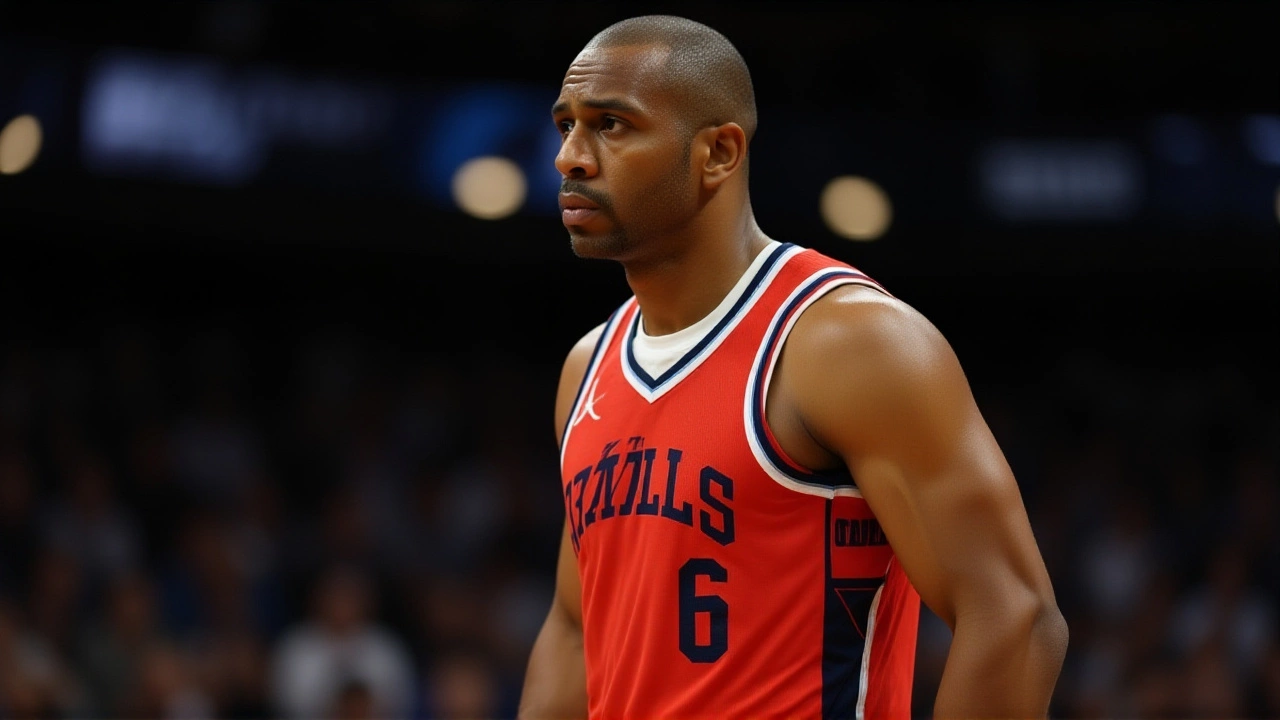
Paul’s retirement will officially make him one of the greatest players in NBA history without a championship. He’ll join the likes of John Stockton, Karl Malone, and Charles Barkley. But unlike them, Paul’s legacy is defined not just by stats—but by *clutchness*. By leadership. By the way he made teammates better. By the way he demanded excellence without ever raising his voice.The Clippers, who are now in full rebuild mode, will likely honor him with a jersey retirement ceremony next season. But the real tribute will come from the players he mentored: Terance Mann, Kawhi Leonard, even young rookies who watched him dissect defenses in practice. He didn’t just play the game—he taught it.
As for North Carolina? The state will celebrate him like a king. There’ll be murals in Winston-Salem. A statue near the Wake Forest campus. Maybe even a street named after him. He didn’t need a ring to be a legend. He just needed to show up—and keep showing up.
Frequently Asked Questions
Why didn’t Chris Paul ever win an NBA championship?
Paul came within one game of the Finals in 2018 with Houston and reached the Finals in 2021 with Phoenix, but injuries, timing, and bad luck—like the Suns’ 2022 COVID collapse against Dallas—kept him from winning. Despite elite clutch performance and leadership, he faced dynasties (Spurs, Warriors, Bucks) and inconsistent team support. His career spanned eras where championships were dominated by a few teams, making his path harder than most.
How does Paul’s clutch performance compare to other NBA legends?
From 2008 to 2022, Paul won 65% of NBA-defined clutch games—the highest among all active players during that span, beating LeBron James (64.2%), Kevin Durant (59.6%), and Stephen Curry (60.5%). His ability to make high-pressure plays consistently, especially in the final minutes of close games, made him the most reliable closer of his generation—even if he never got the ultimate reward.
Why did Paul return to the Clippers in 2025 instead of joining a contender?
Paul turned down a backup role with a stronger team like the Spurs because he wanted to stay close to home and mentor younger players. The Clippers, despite their poor 4-11 record in 2025, offered him a meaningful role—not as a starter, but as a leader. He valued continuity and influence over a better chance at a ring. "I love playing," he said. That was enough.
What’s the significance of retiring in Charlotte?
Charlotte is where Paul’s NBA journey began—the Hornets were his first team, and the city still feels like home. He’s from nearby Winston-Salem, played college ball at Wake Forest, and has remained deeply connected to North Carolina. Announcing retirement there wasn’t coincidental; it was poetic. It tied his origin story to his final chapter, making the moment deeply personal for him and his fans.
Will Chris Paul be a Hall of Famer without a championship?
Absolutely. Paul’s 12 All-Star selections, 9 All-NBA teams, 8 All-Defensive teams, and leadership across seven franchises make him a first-ballot Hall of Famer. History remembers legends by impact, not just trophies. John Stockton and Karl Malone are in the Hall without rings. Paul’s influence on the modern point guard—his IQ, passing, and clutch gene—will ensure his place among the all-time greats.
What’s next for Chris Paul after retirement?
Paul has hinted at staying in basketball—possibly as a front-office executive or broadcaster. He’s already invested in youth programs in North Carolina and has expressed interest in owning a team someday. He’s also known for his business acumen and media presence. Don’t be surprised if he becomes a key voice in NBA operations or even a team owner, continuing his legacy beyond the court.