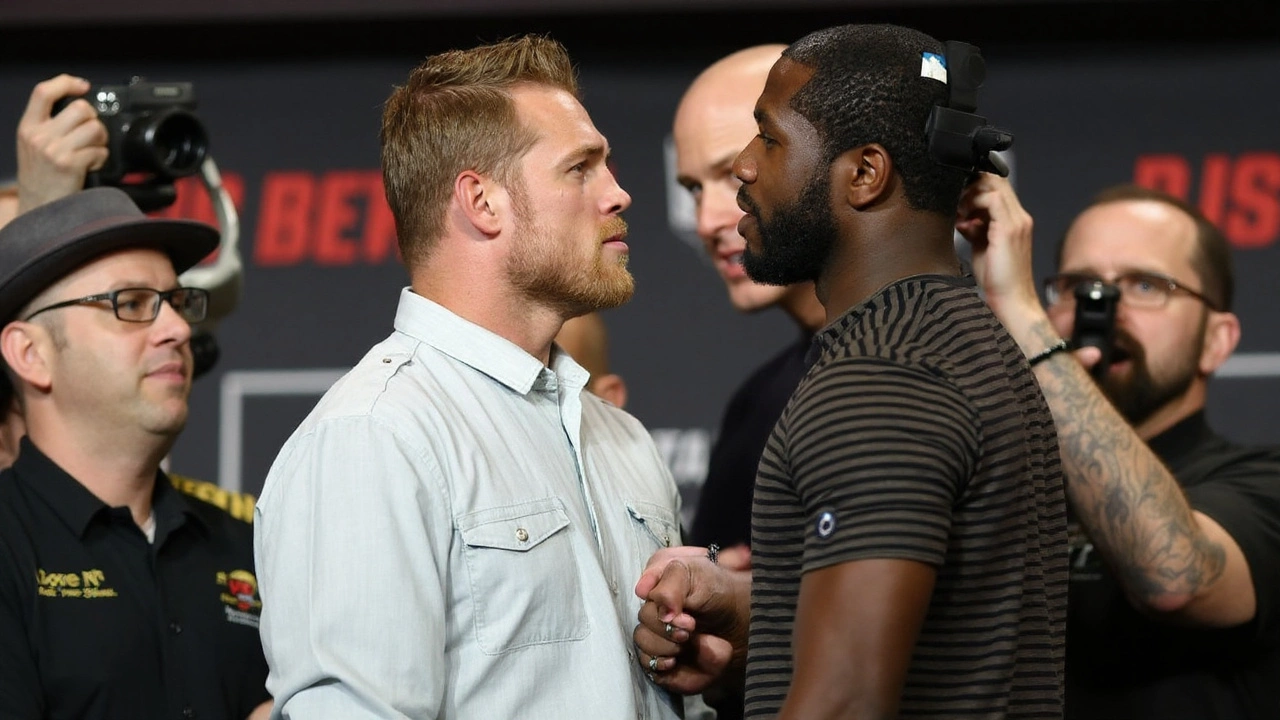
The fight that bends the rules of size
Boxing loves the phrase “skills pay the bills,” but on Saturday in Las Vegas we’re about to find out if skill can cash a check against size. Undefeated Terence “Bud” Crawford is leaping two divisions to challenge Canelo Alvarez for the undisputed super middleweight championship at 168 pounds—four belts on the line, no catchweight, no excuses.
Crawford (41-0, 31 KOs) has made a career out of solving puzzles. He was undisputed at 140, then again at 147 after dismantling Errol Spence Jr. in 2023. He touched junior middleweight in 2024 and beat Israil Madrimov to show the power and timing carried up. Now he’s going far beyond familiar waters. If he wins, he becomes the first man to unify all four major titles in three separate weight classes. That’s not a footnote; that’s history-shaping stuff.
Across the ring stands the man who has lived at this weight and made it his home. Canelo Alvarez (63-2-2, 39 KOs) built the undisputed throne at 168 by stopping Caleb Plant in 2021, defended it, lost the IBF belt outside the ring, then grabbed it back by beating William Scull in May. He’s on his second run as undisputed champion, which says plenty about his staying power. He’s also heard the noise that he’s dodged the division’s sharks. Beat Crawford, one of the pound-for-pound kings, and that criticism loses steam fast.
The matchup is compelling because it’s a collision of styles and physics. Crawford has the longer reach, the cleaner switch-hitting, and the best set of in-fight adjustments in the sport. Canelo brings the denser frame, that thudding body work, and a granite temperament. One fights like a chess grandmaster who punches; the other is a pressure counterpuncher who stalks and forces errors. Same ring, very different math.
The camp chatter mirrors that split. Amir Khan—who has shared a ring with both—leans Crawford, calling him fresher and less worn. Trainer David Coldwell sees the same thing, pointing to a slower, more deliberate Canelo than the version that slipped and rolled with ease back in his middleweight days. On the other side, Fernando Vargas Jr., who has felt them in sparring, is blunt: he doubts Crawford can take Canelo’s best. WWE’s Damian Priest, siding with the scales, picks the naturally bigger man by tight decision.
Oddsmakers are tilting toward Canelo, and you can see why. Moving up two full classes is not an academic exercise; it’s a collision with a different kind of punch resistance and a different kind of clinch strength. But Crawford has a habit of turning “shouldn’t” into “did.” He’s methodical, he downloads patterns, and once he’s got you timed, he walks you into the shot you failed to see.
It’s also worth remembering who’s in the corners. Eddy Reynoso knows Canelo inside out and has built a style centered on compact power, patient pressure, and economy. Brian “BoMac” McIntyre runs a ruthlessly disciplined camp with a game plan-first mindset and a fighter in Crawford who actually follows it. Those two brains could decide as much as the hands do.
Look deeper at the rhythm each man prefers. Canelo doesn’t waste punches. He’s a low-to-moderate output fighter who aims for accuracy and damage—especially downstairs. He’ll take your arms and ribcage as down payments on the later rounds. Crawford often starts slow, studies, then flips the switch by the fourth or fifth as he locks into reads, changes stance, and begins leading you into counters. If the fight starts on Canelo’s terms, Crawford’s job is to keep it from staying there.
The venue matters too, if only for the atmosphere. Las Vegas tends to reward star power and clean, visible work. Canelo’s body shots are punishing but quieter for judges than sharp jabs and counters upstairs. Crawford knows this and will likely keep things in the center early, making the clean, obvious scoring shots. Close rounds could swing on optics as much as force.
There’s also the cautionary history. When smaller men chase great big-game wins, the results can be cruel. Amir Khan moved up and got flattened by Canelo. Kell Brook dared Gennadiy Golovkin and paid a price. Then again, boxing history isn’t neat. Roy Jones Jr. jumped to heavyweight and won a title. Manny Pacquiao climbed and climbed and kept winning. The path exists. It’s just steep, and it punishes mistakes.
From a pure tactics standpoint, expect Crawford to switch hit early, feel the distance, and pick southpaw often to line up the backhand and the check right hook. He’ll look to jab the chest, freeze Canelo’s feet, and circle off before the Mexican star can pin him against the ropes. He’ll try to make Canelo reset again and again. Breathing room is as valuable as points for the smaller man.
Canelo’s checklist runs the other way. Cut the ring, punch to the arms and torso, and make Crawford hold his ground more than he wants to. He’ll look to counter the jab with the right hand over the top, then work downstairs when Crawford shields high. Any prolonged exchange along the ropes is good news for him. His short hooks in the pocket are built for that trench.
Cardio and pace are a quiet subplot. Crawford finishes strong; he’s a late-round closer. Canelo can bank rounds with pressure, but if the pace gets too high, the volume gap might open. If we’re still even after eight, watch how each man’s legs look between exchanges. If Canelo is cutting the ring with the same snap he had early, that’s trouble for Crawford. If Crawford is stepping around clean and Canelo’s head is more static, that’s trouble the other way.
There’s no guarantee Crawford’s power carries the same way at 168. He’s dropped and stopped bigger men, but not this big, not this seasoned, and not this comfortable at the weight. What Crawford can count on is timing. He doesn’t need home-run power if he can land the shot an opponent never sees. That said, he will need Canelo’s respect early. If Canelo walks through the first clean counter, the terrain tilts.
What about the chins? Canelo’s has been tested by bigger punchers and passed. Crawford’s chin has held, but he has been buzzed at times—and he’s never been hit by a super middleweight who makes a living ripping ribcages. Crawford’s answer is to avoid being there in the first place. Distance and discipline over daring in the first half might be the right call.
Judging dynamics are the sport’s unending subplot. In close rounds, who looks like the boss? Canelo lands fewer but harder; Crawford lands cleaner and more often. If the fight is fought at mid-range with tidy counters and clean jabs, that’s Crawford’s theater. If it gets shoulder-to-shoulder with thudding hooks, that’s Canelo’s home game. Don’t be shocked if the scorecards spread like a fan debate.
Legacy threads run through every minute of this. For Canelo, beating an elite champion jumping up two divisions would smother the talk that he has sidestepped the most dangerous names at 168. It won’t end the arguments about who he still should fight, but this is the kind of win that bends narratives. For Crawford, it’s the kind of dare that defines a career. Three-division undisputed is a sentence that hardly sounds real. Pull it off at 168, and the pound-for-pound conversation changes tone immediately.
Listen to the gym talk and you hear two core arguments. Team Crawford says the current Canelo is more stationary than the version that beat Sergey Kovalev and danced with Danny Jacobs, and that Bud’s feet and reads will tell. Team Canelo says the first real body shot changes the fight, and that Crawford’s beautiful angles won’t look so pretty when they’re pinned to a corner pad. Both can be true. That’s why this is compelling.
What should each man avoid? Crawford can’t get greedy on a single success. One clean counter followed by a long combination could leave him in the pocket too long, and Canelo is vicious at punishing exits. Canelo can’t follow without jabbing. If he stalks with only his feet, he’ll get stuck chasing footprints and eating check hooks. Small details could be round-swingers.
- If Crawford is first, last, and gone—he’s on track.
- If Canelo is pinning, ripping, and making Bud reset—he’s got it.
- If exchanges are short and controlled, Crawford’s plan is working.
- If exchanges stretch and the ring shrinks, Canelo’s plan is working.
As for predictions, the expert split feels right. Amir Khan favors Crawford’s freshness and speed. David Coldwell backs Crawford’s ring IQ and suspects Canelo’s head movement isn’t what it used to be. Fernando Vargas Jr. trusts Canelo’s power to tell. Damian Priest expects the size tax to show up on the cards and leans Alvarez by narrow decision. Read between those takes and you get the shape of the fight: chess early, courage late, and margins all night.
Momentum matters in super fights, and both enter with it. Canelo restored his full title set at 168 by beating William Scull, reasserting control over a division he built in the first place. Crawford’s last two years are the purest form of “best versus best,” capped by the Spence masterclass and the Madrimov win that proved the climb up the scale hasn’t dulled the bite. Confidence is not in short supply on either side.
There’s drama in the unknowns. How will Crawford’s legs feel at 168 in round ten? Does Canelo’s body attack sap enough from a naturally smaller man to stop him from pivoting late? Does Crawford’s accuracy make Canelo flinch at mid-range and slow the pressure? Is there a single shot—an uppercut from Canelo, a counter left from Crawford—that resets the whole evening?
What’s clear is this: the stakes are real, the styles clash, and the result will echo. If Canelo wins, he banks another legacy name and keeps the undisputed grip. If Crawford wins, he does something no man has done in the four-belt era and plants a flag at the top of the sport that will be hard to knock down. That’s why the strip will buzz and the bell will sound a little louder than usual.
When size and skill collide at this level, you don’t get many clean answers. You get moments. You get a handful of swing rounds, a few body shots that make faces change, a counter or two that make corners talk. Saturday is built for that. And it’s the kind of night that reminds you why boxing, for all its politics, still finds ways to deliver the fight you actually want to see.
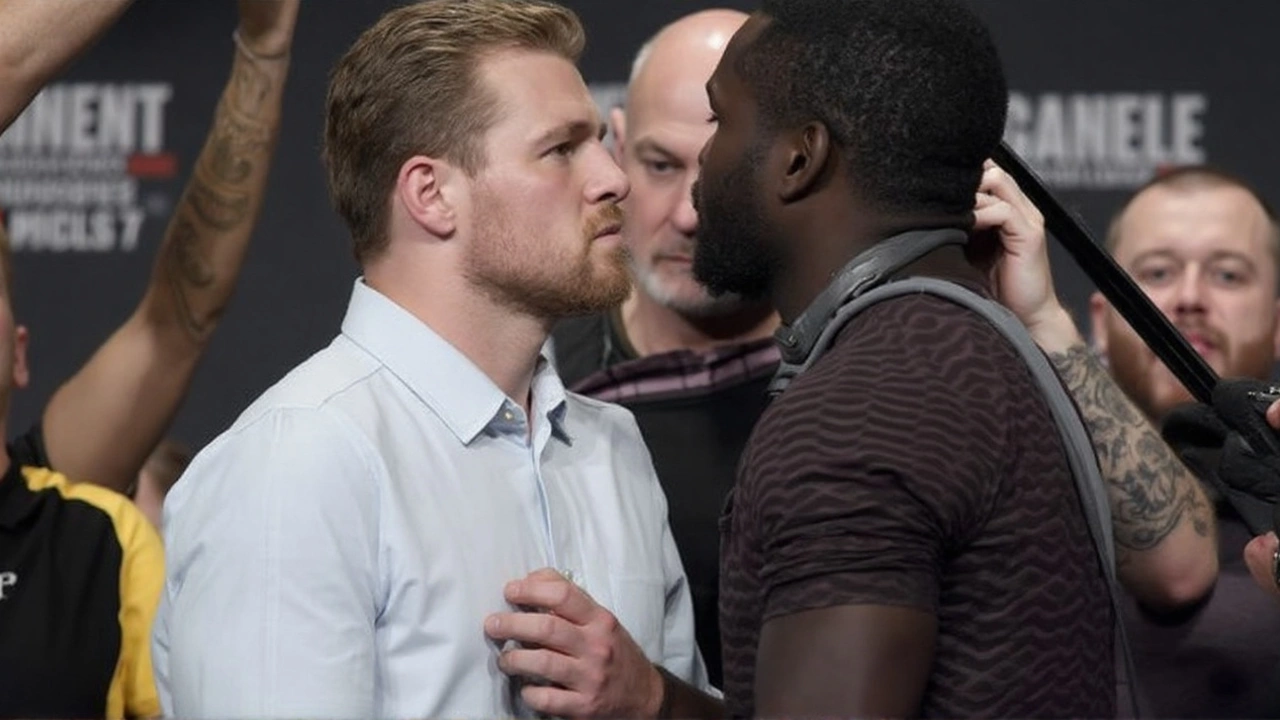
How it could unfold: paths to victory
If you’re looking for tells, watch the first six minutes. Does Crawford touch the jab without getting clipped to the body? Does Canelo step with him and keep the ring small? If Bud scores early and leaves clean, the read is working. If Canelo backs him to the corners and digs, the size is talking.
By round four or five, expect Crawford to lock into a stance and tempo that fit the reads—likely southpaw, where he can pick with the jab, slide left from Canelo’s right hand, and line up the backhand counter. He’ll try to make Canelo reach and then make him pay. If he’s banking those rounds, he’s ahead on substance and optics.
Canelo’s path is built on accumulation. He doesn’t need to stop Crawford to win; he needs to make every minute hard. He’ll angle his lead foot outside, try to take away Bud’s escape lane, and make the ring feel two sizes smaller. Every clinch is a chance to lean. Every break is a chance to steal a body shot. That’s how you turn a chess match into a grind.
The swing factor could be discipline. Crawford can’t let pride keep him in the trenches when the plan says “step off.” Canelo can’t let frustration push him into headhunting at the expense of the body. The fighter who sticks to his map when the other guy lands something big usually wins fights like this.
On the cards, there are three outcomes that feel live: Crawford by close decision if he controls space and wins exchanges in the center; Canelo by close or clear decision if he shrinks the ring and does damage to the body; and a late stoppage either way if one man’s plan takes over and the other refuses to adapt. Given who they are, bank on a tense tactical fight that catches fire in pockets.
What’s left is the bell and the truth it brings. Las Vegas will test a great small man against a great big one, and we’ll learn whether Crawford’s brain and timing can bridge a real size gap, or whether Canelo’s power and poise put physics back in charge. Either way, the sport wins a real one.